

Haïti — 1922 : constat sénatorial américain sur la situation nationale sous occupation

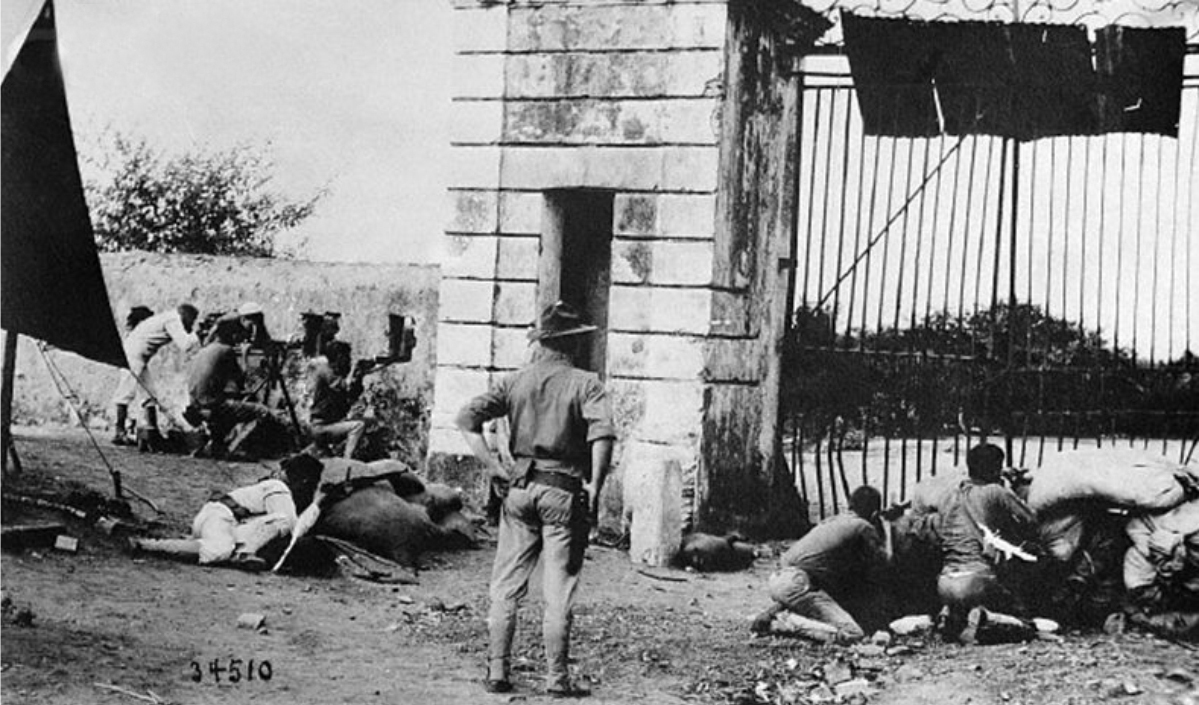

Sept ans après l’intervention militaire américaine engagée en 1915, un rapport d’enquête du Sénat des États-Unis publié en 1922 établit qu’Haïti demeurait caractérisée par une précarité économique structurelle, avec une population estimée à près de deux millions d’habitants. Le document mentionne un territoire marqué par un isolement interne prononcé, résultant de la faiblesse des réseaux ferroviaires et routiers, d’un taux élevé d’analphabétisme et d’une économie faiblement connectée aux échanges internationaux. Il décrit également une configuration territoriale duale, où les centres portuaires concentraient l’activité commerciale et les services administratifs, alors que l’intérieur du pays restait dominé par des conditions matérielles limitées, confirmant la persistance d’inégalités socio-économiques structurelles au cours de la période d’occupation.
Lire extrait du rapport :
67th Congress,
2d Session
SENATE — Report No. 794
INQUIRY INTO OCCUPATION AND ADMINISTRATION OF HAITI AND SANTO DOMINGO
April 20 (calendar day, June 20), 1922 — Ordered to be printed, with illustrations
Mr. Oddie (for Mr. McCormick), from the Select Committee on Haiti and the Dominican Republic, submitted the following
REPORT
(Pursuant to S. Res. 112.)
The select committee of the Senate to investigate the occupation and administration of Haiti and Santo Domingo makes the following report:
The occupation by American naval forces of Haiti and the report upon the occupation of Haitian territory and the relation of the United States to the Government of Haiti.
The Island of Haiti, midway between Cuba and Porto Rico — supports a population as numerous as that of Cuba (about once and a quarter million souls) upon a territory about three-quarters as large as that of Cuba. It is therefore noteworthy that whereas the island that once constituted the third partition of the island of Hispaniola never was the scene of important industrial development, it has averaged perhaps one-tenth of the volume of Cuban foreign trade. Porto Rico, with a territory equal to one-fifth of that of the island of Haiti and with a population of about a million and a quarter, has exported and imported about three times as much as the neighboring island.
While the Cuban interior may be reached from all ports by connecting railways and while Porto Rico is covered with a network of highways, Cuba and Porto Rico are said to be among the best-supplied countries in the world, the interior of Haiti is said to be one of the most inaccessible regions and in railroad facilities and highways, Haiti has not more than half a dozen main thoroughfares, unsuccessful and incomplete, most of which remain only in name. The interior country, whose population is estimated at nearly 2,000,000, suffers from virtual isolation and poverty, while the ports and coast towns enjoy a relatively high degree of material development and education; but the interior population remains largely illiterate and poverty stricken.
